In the past, attendance was tracked manually, using paper-based registers or spreadsheets. While these methods worked to some extent, they often led to missed entries, inaccurate records, and time spent trying to fix inconsistencies.
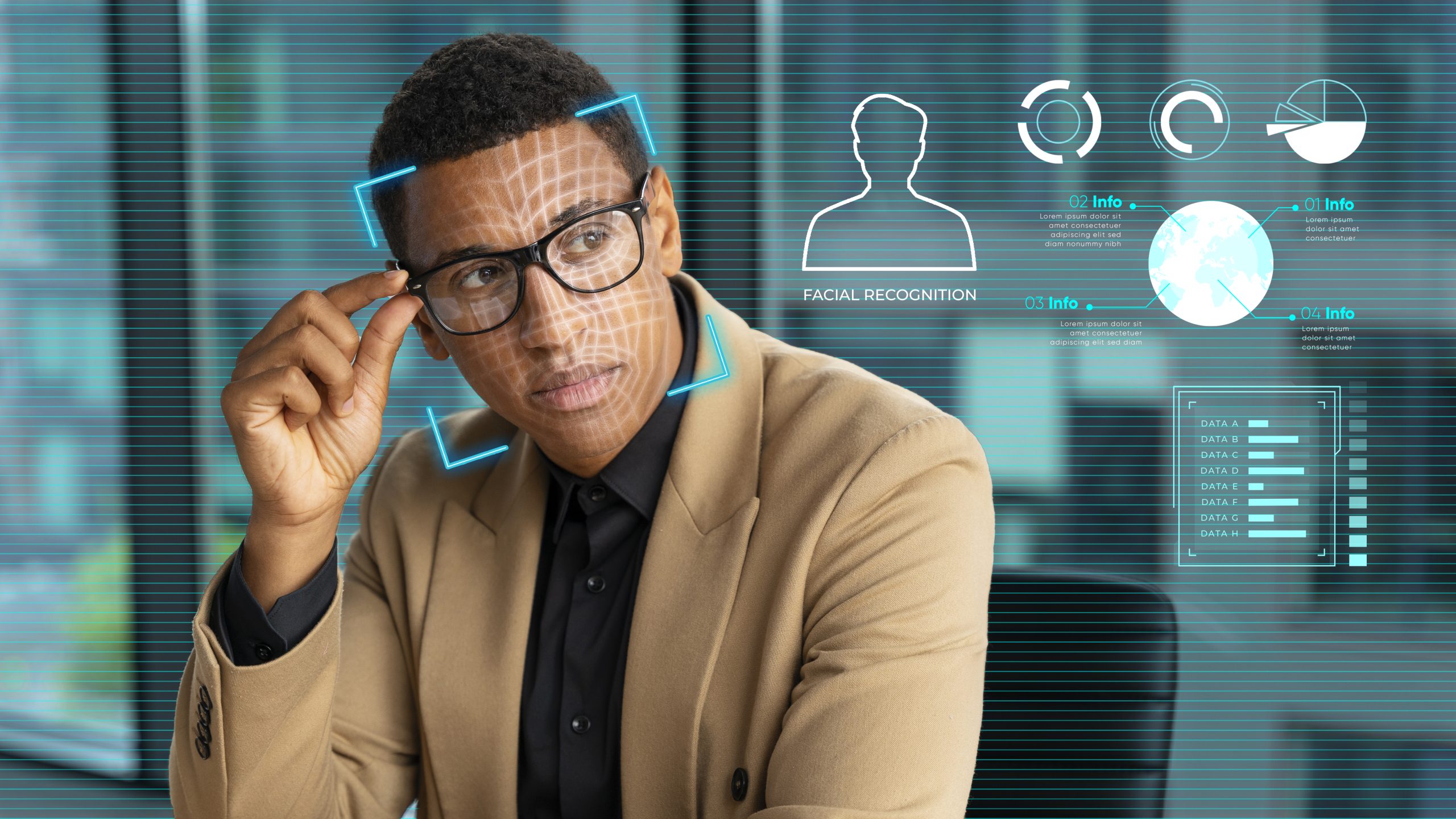
Today, businesses are moving towards smarter ways of tracking employee presence. With digital tools and more secure sign-in methods, attendance is no longer just recorded; it’s managed with better accuracy. Studies have shown that many employees now prefer facial verification systems over traditional methods, highlighting a growing shift towards more reliable and efficient methods.
The Shift Toward Smarter Attendance Systems
Companies are starting to move from traditional methods to more digital, real-time solutions. This shift is about solving real problems, such as:
- Managing flexible and distributed teams
With employees working across different locations or remotely, traditional attendance methods struggle to keep up. Smarter systems make it easier to track presence regardless of where employees are working from.
- The demand for accuracy
Manual systems leave room for errors, whether intentional or not. For example, an employee may forget to sign in and out, leading to incomplete records. In some cases, someone arrives late but records an earlier time, or a colleague signs in on behalf of another. Digital systems, especially those with facial verification, reduce these risks and provide more dependable records.
- The need for better decision-making
Accurate and timely attendance data support almost everything from daily supervision to payroll processing. Without it, businesses are often working with incomplete information.
Essential Features of an Efficient Attendance System
These features make attendance tracking easier and more reliable:
- Reliability
Attendance should be something you can rely on without second-guessing. With secure sign-in options like facial recognition or device-based verification, businesses can reduce errors and avoid situations where attendance is recorded incorrectly.
- Real-time visibility
It helps when you don’t have to wait. Being able to see who is at work, who is late, and who hasn’t signed in right when it happens makes it easier to manage teams.
- Location control
For businesses with multiple sites or field staff, knowing where employees are signing in from matters. A good system allows attendance to be tied to specific locations, adding an extra layer of accountability.
- Improved reporting strategy
Attendance data should do more than just exist. With automated reports and insights, businesses can handle payroll more easily, spot patterns, and make better decisions without going through everything manually.
How InTime Solves the “Who’s at Work?” Problem

InTime is an attendance management system built by infinion, designed to help businesses track and manage employee attendance more accurately using tools like facial recognition and real-time monitoring.
InTime solves this problem in practical ways:
- Secure sign-ins with Face ID
Instead of relying on manual entries, it uses facial recognition through authorized company devices. This means employees can only sign in themselves, reducing false entries and making attendance records more reliable.
- Real-time visibility for managers
This solution gives managers a live view of attendance as it happens. At any point in time, it’s easy to see who is signed in, who is late, and who is absent, without waiting for end-of-day reports.
- Controlled sign-in locations
For teams working across different locations, it allows admins to assign employees to specific work sites and restrict where signings can happen. This is especially useful for field or remote staff, ensuring that attendance is tied to the right location.
- Structured work schedules
Attendance becomes easier to manage when expectations are clear. With InTime, HR teams can set custom work schedules, making it simpler to track lateness, early departures, and overall compliance.
- Automated reports for HR and Payroll
Instead of spending time compiling attendance records manually, it automatically generates accurate reports. This makes payroll preparation faster, reduces errors, and gives HR teams better insight into attendance patterns.
In the end, when businesses move towards systems that offer real-time visibility and accurate records, they spend less time fixing employee issues and more time boosting productivity.
For teams looking to improve how they track employee presence, exploring smarter solutions might be the step that makes all the difference.